What It Feels Like to Camp Along the Illinois River
The first thing you notice is the sound.
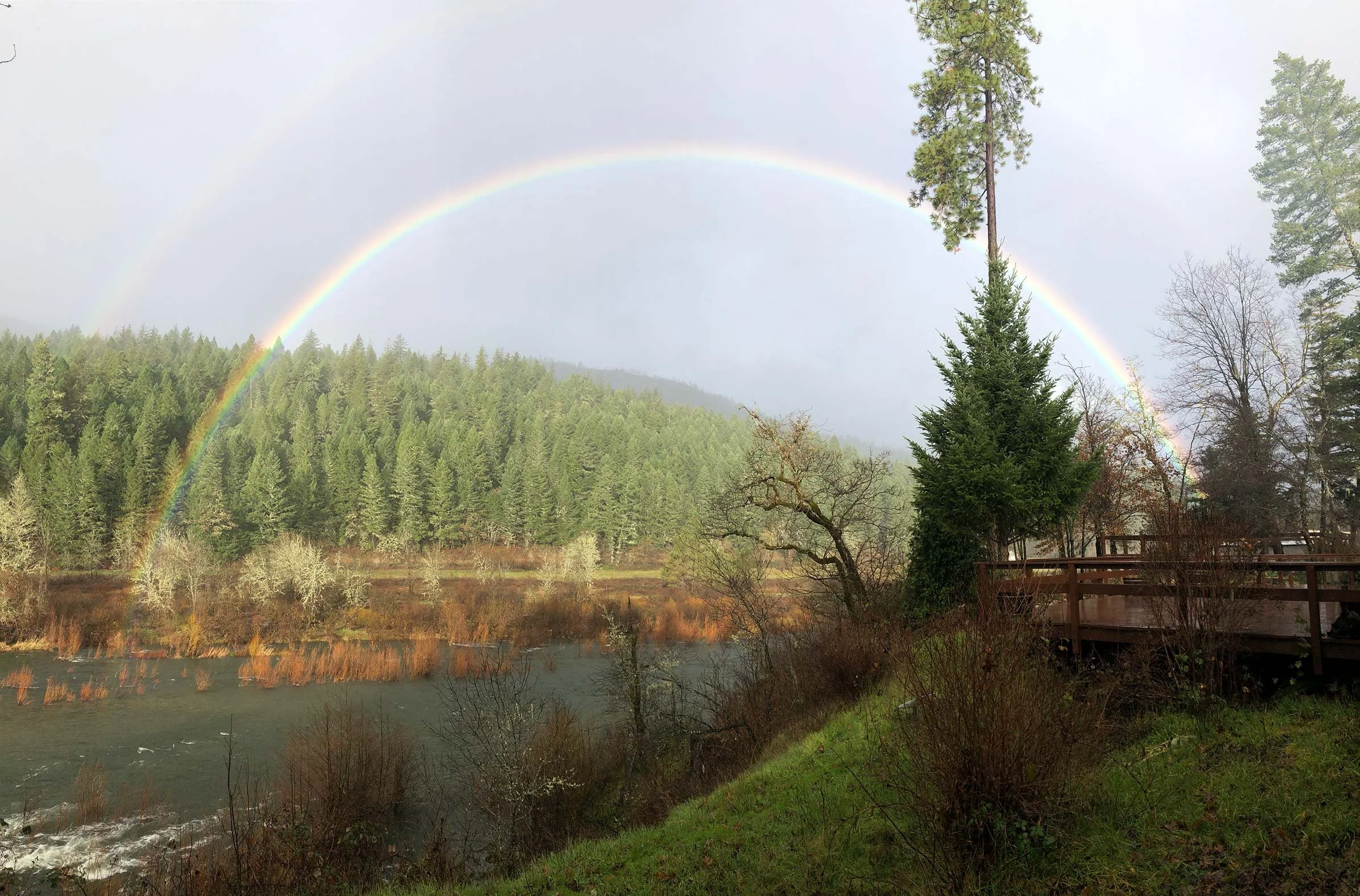
The river does not announce itself loudly, but it never stops speaking. It runs through the landscape in a way that becomes part of everything else—wind, birds, distant movement in the trees.
Camping at Cedar Bloom Farm begins with that sound in the background, even before anything is unpacked.
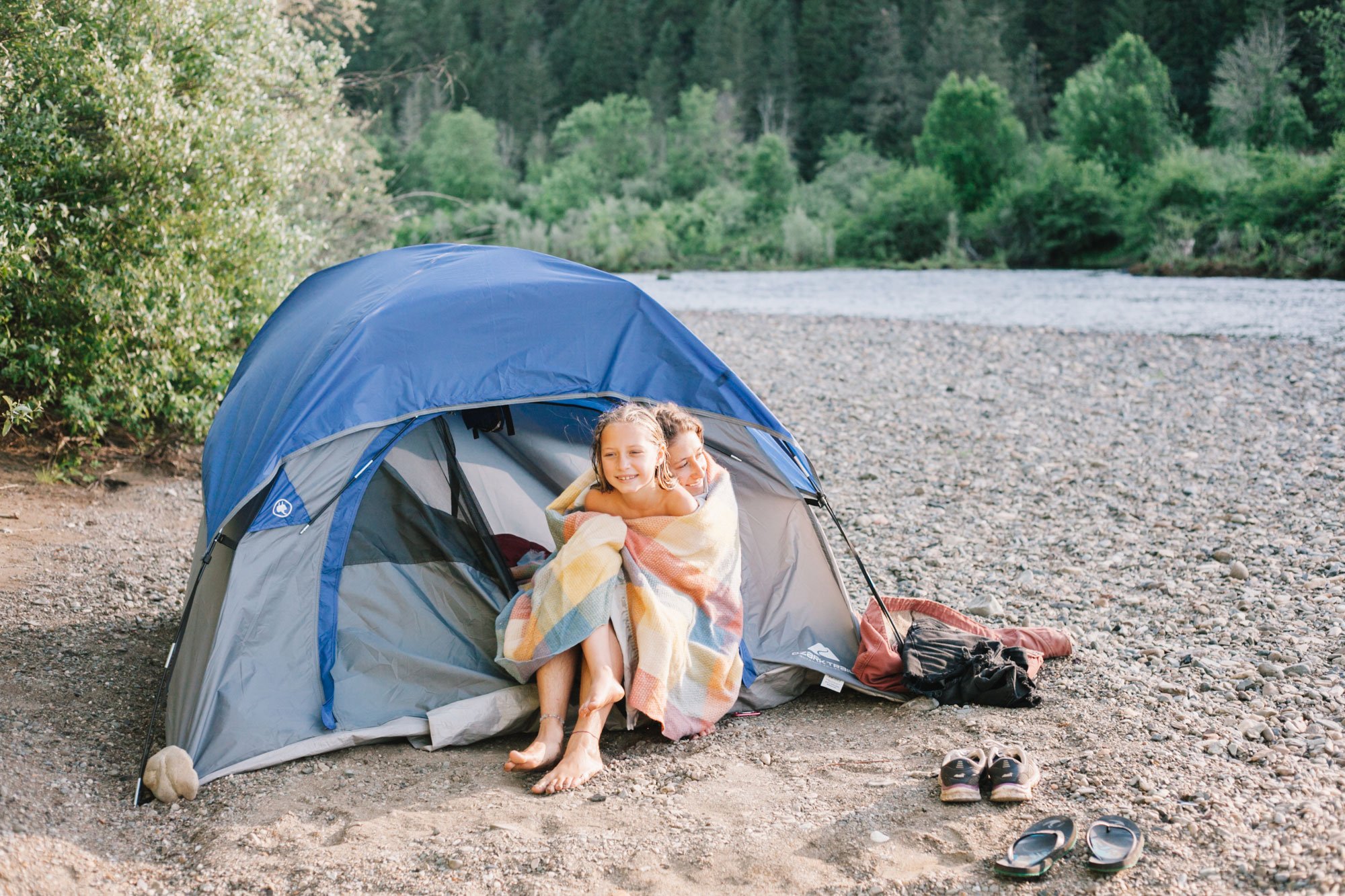
Arrival into the forest
The transition from road to forest is not abrupt, but it is noticeable.
The air changes slightly. The light becomes more filtered. The space between trees begins to feel like it has its own structure.
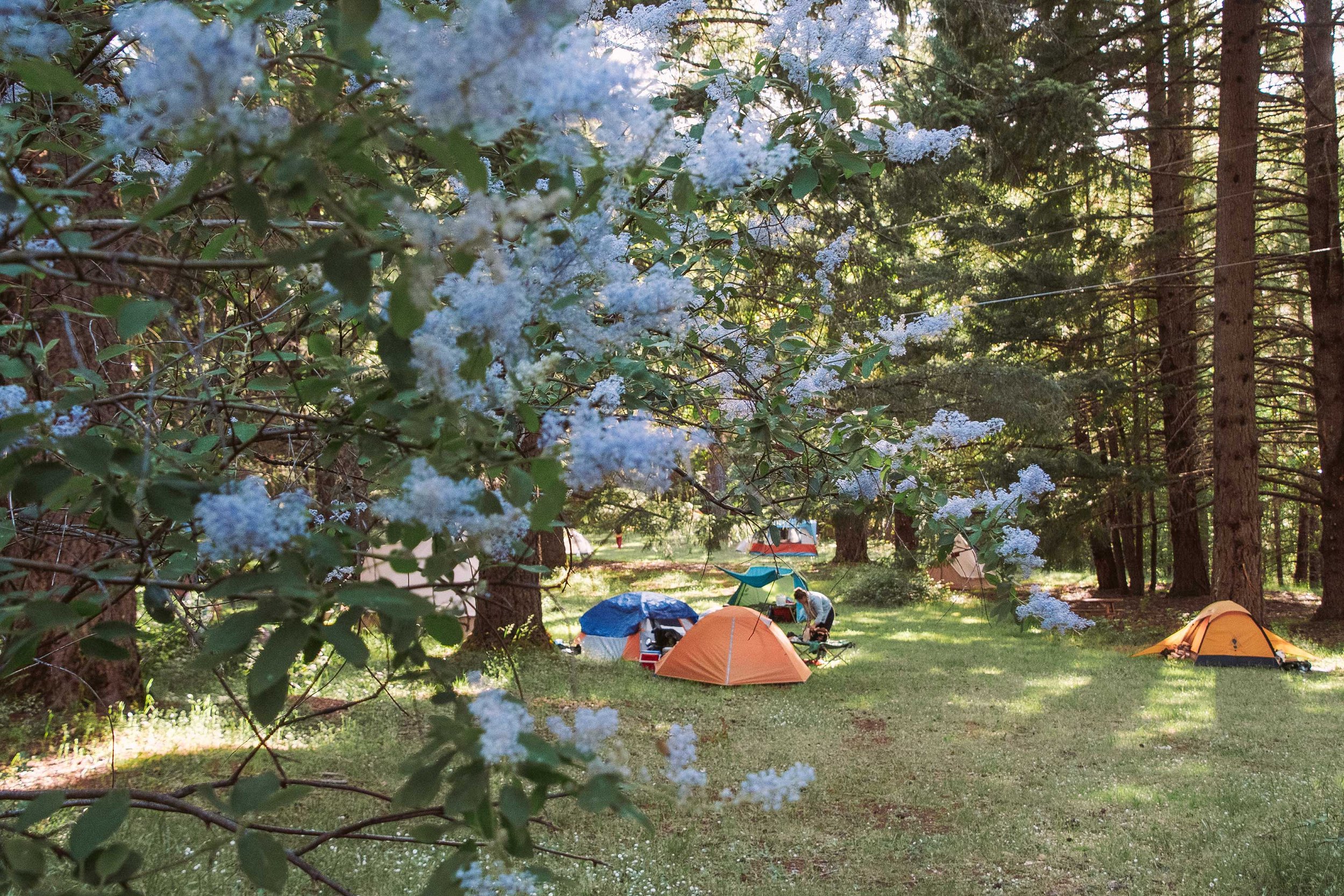
Campsites are spread out across the land, not clustered or tightly organized. The intention is not density, but distance—enough space for each stay to feel like it belongs to itself.
Nothing feels stacked or crowded.
The land remains visible between people.
The rhythm of a day here
There is no fixed schedule to camping here, but a pattern naturally emerges.
Morning light arrives slowly through the trees. The river is usually calm at that hour, reflecting more than it moves. People wake quietly, not because they have to, but because the place encourages it.
Coffee, if there is any, is often taken outside.
Not rushed.
Not accompanied by screens or noise.
Just the forest and the river continuing as they always do.
The river as daily presence
The Illinois River is not a feature of the campground.
It is part of the daily experience of being here.
In summer, people move toward it naturally. Some sit along its edge for hours without needing anything else. Others step into it fully, letting the cold water reset the heat of the day.
The river does not change its pace for visitors. It remains steady, indifferent, and constant.
That steadiness becomes grounding.

Space and privacy as design
One of the most intentional aspects of camping here is spacing.
Sites are not placed to maximize capacity. They are placed to maintain a feeling of separation—enough distance that you do not feel like you are sharing your stay with strangers, even when others are present on the land.
You hear the forest more than you hear people.
That changes everything about how time feels.
What people do here (and what they stop doing)
Most visitors arrive expecting activity—hikes, exploration, plans.
And those things still happen.
But what often stays with people is not what they did, but what they stopped doing.
The absence of constant stimulation.
The absence of urgency.
The absence of needing to move from one thing to the next.
Time stretches differently when nothing is demanding it be filled.

Firelight and evening stillness
As the day ends, the forest changes again.
Light drops slowly through the canopy. The river darkens but continues moving. Conversations become quieter without anyone deciding they should be.
If there is fire, it becomes the center of attention—not because it is loud, but because everything else becomes softer around it.
Evenings here are not designed.
They simply unfold.
What stays with people after they leave
People often leave expecting to remember what they saw.
But what tends to stay is something less visual.
The sense of quiet that didn’t feel empty.
The feeling of space that didn’t feel distant.
The awareness of time passing without pressure.
That is what camping along the Illinois River becomes.
Not a list of activities.
A different pace of being.