What It Means to Care for 99 Acres of Forest in Southern Oregon
There are many ways to describe land, but most of them flatten it into something manageable.
A parcel. A property. A venue. A campground.
But 99 acres of forest in Southern Oregon is none of those things in a simple way. It is something that changes with time, weather, fire, water, and neglect or attention. It does not stay still long enough to be fully defined.
At Cedar Bloom Farm, caring for this land is not a fixed practice. It is a long relationship with something older than anything built on top of it.
The land before anything else
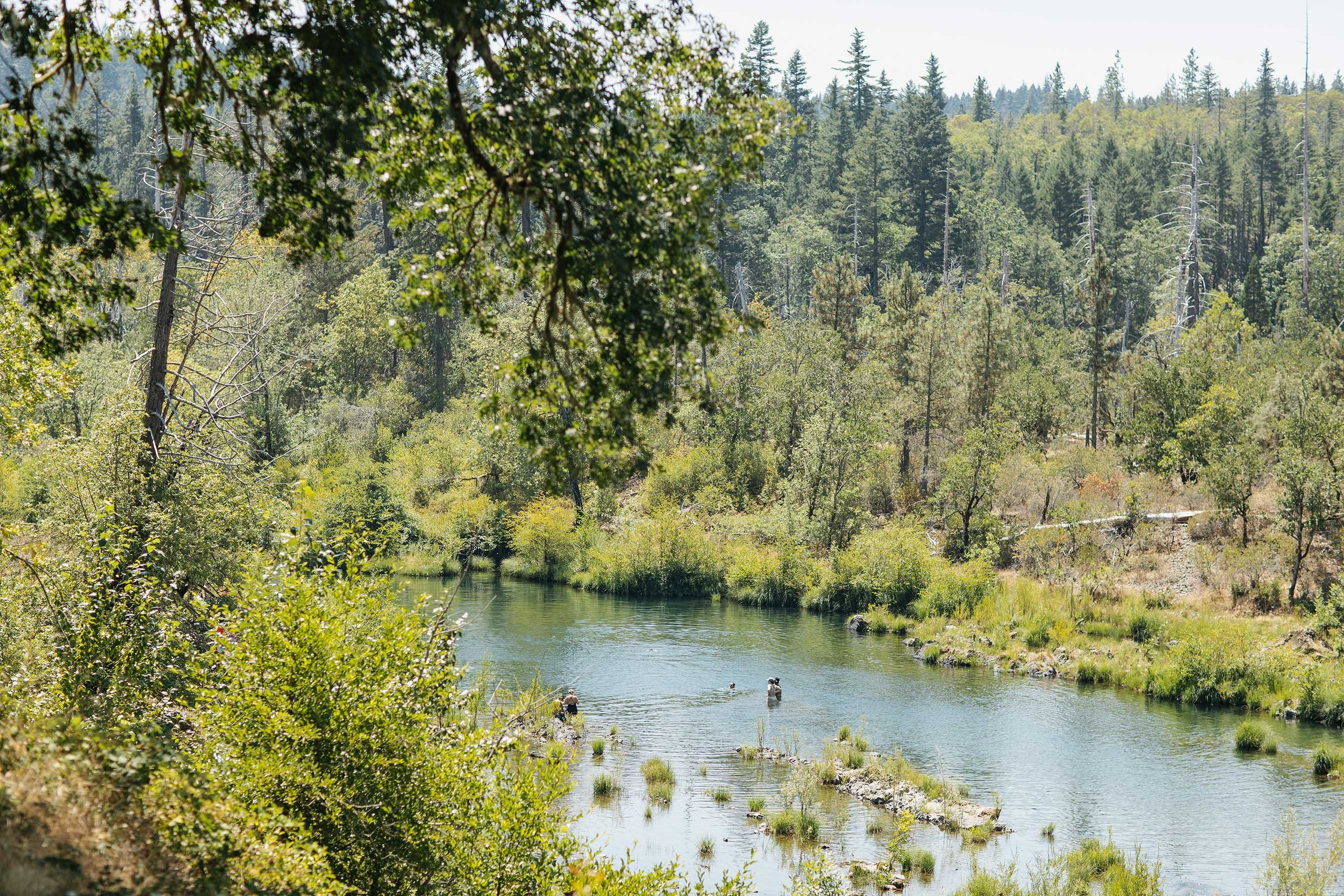
Before anything was placed here—before campsites, gatherings, or weddings—the forest already had its own systems.
The river shaped the lower ground slowly over time, shifting edges after each season of runoff. The trees grew in uneven clusters, responding to light, soil, and competition rather than design. The land did not ask to be organized. It only asked to be observed.
That is still true now.
Even with human presence, the land continues to lead.
Fire, water, and change
In Southern Oregon, the land is never static for long.
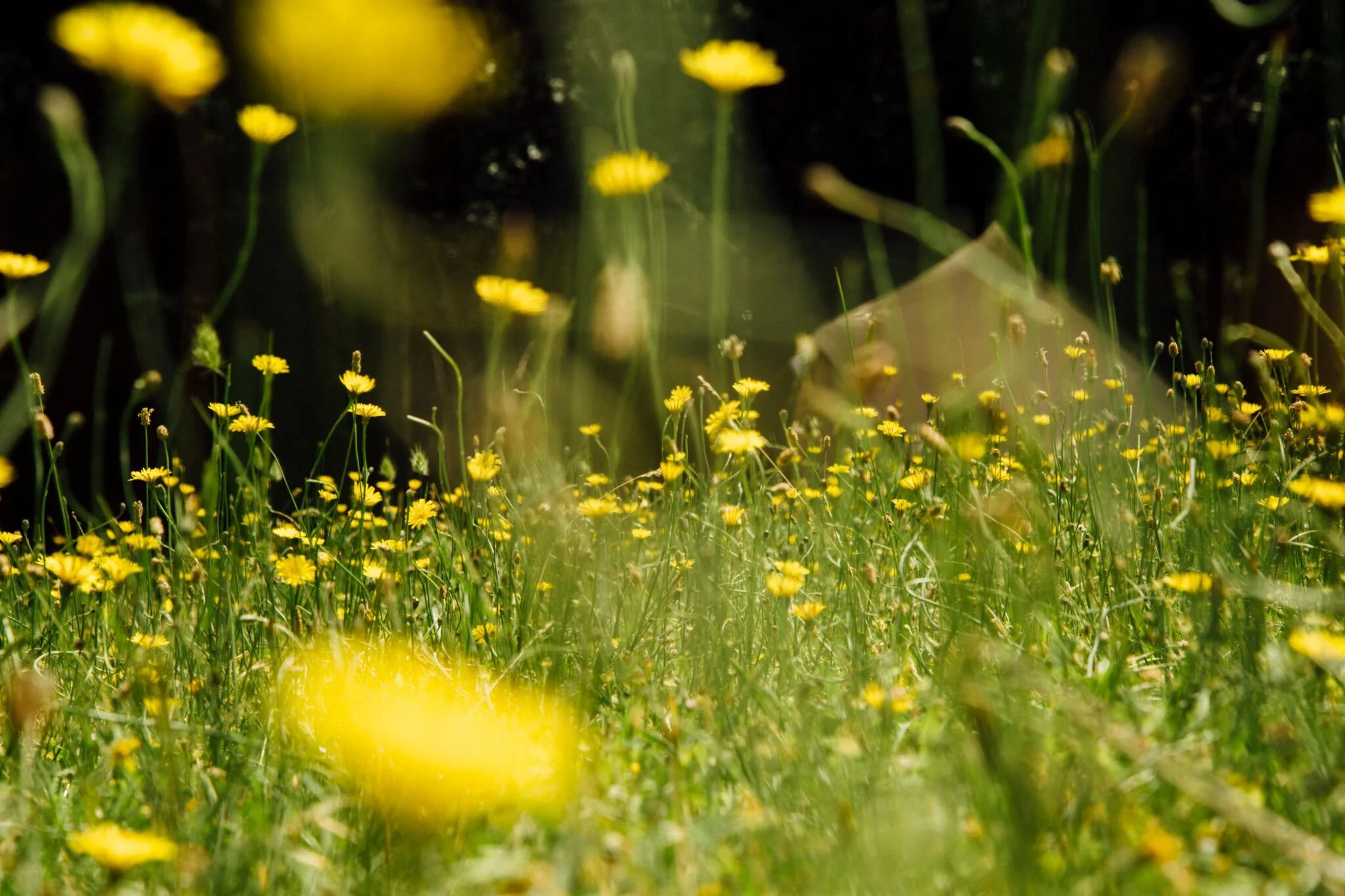
Summer brings dry heat and long light. Autumn softens everything. Winter reshapes the soil with rain and runoff. Spring moves fast—green returns before anything feels ready.
And always, the river.
The Illinois River does not behave like a decoration in the landscape. It behaves like a force. It cuts, carries, deposits, and redefines edges without asking permission.
Caring for land like this means accepting that nothing is permanent—not paths, not clearings, not even the way a place looks from one year to the next.

What stewardship actually looks like here
Stewardship sounds like a simple word until you try to live inside it.
At Cedar Bloom Farm, it often looks like very small decisions:
Where not to build
Where to let vegetation return
When to leave fallen trees where they land
How many people a space can hold before it changes character
When to step back instead of intervene
There is no final version of the land we are trying to reach.
Only a continued effort to stay in relationship with it.
A place that resists over-definition
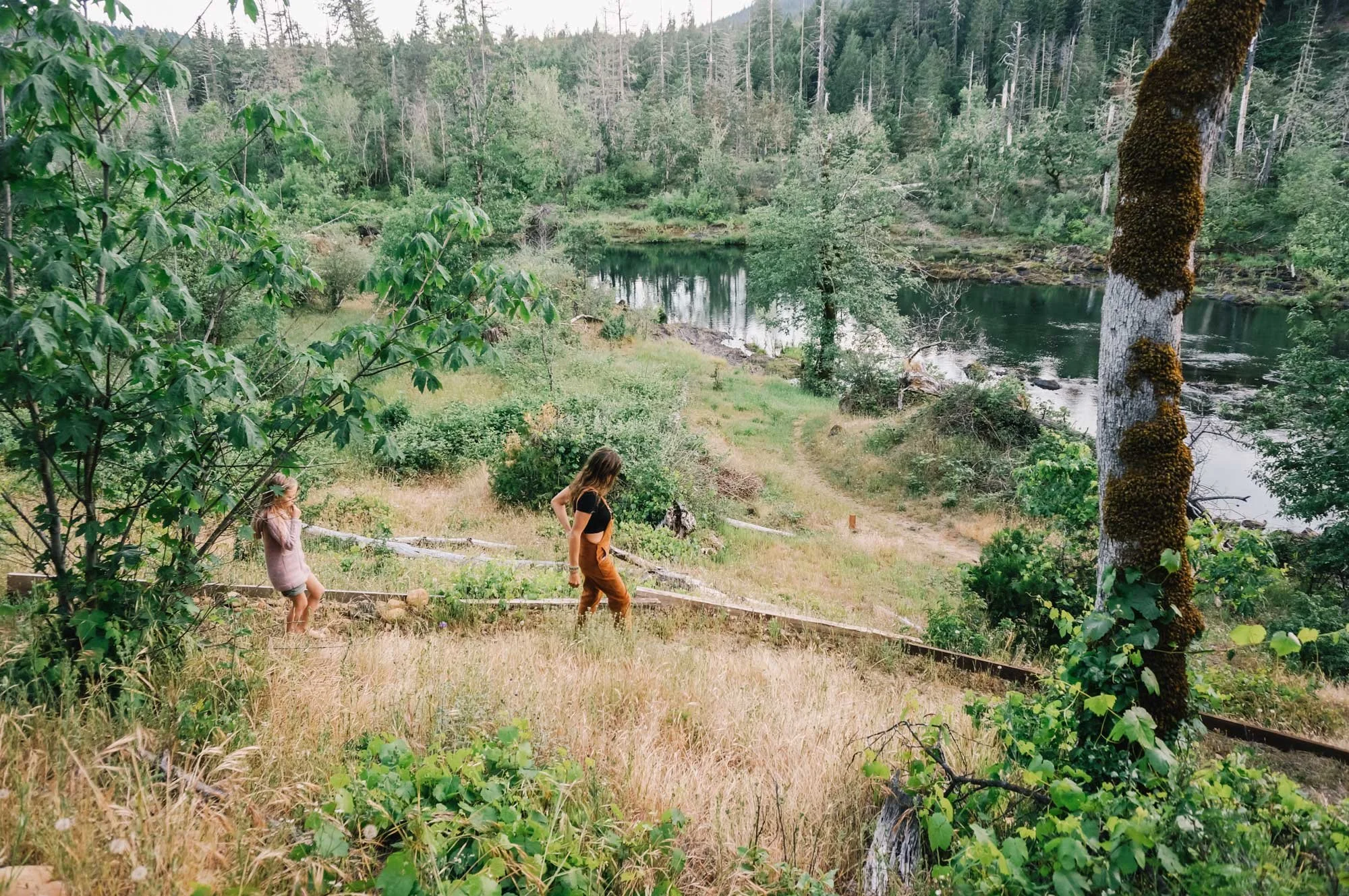
One of the most consistent experiences visitors describe is difficulty explaining the place afterward.
Not because there is nothing to say—but because too much happens at once in a quiet way.
The sound of wind through trees.
The river shifting in the background.
The way light changes under the canopy.
The distance between people that makes conversation slower.
It does not present itself as an attraction.
It feels more like something you enter, rather than something you visit.
Why restraint matters here
There is a temptation with land like this to shape it into something more “usable.” More organized. More predictable. More designed.
But part of caring for it is resisting that pressure.
Restraint becomes a form of respect.
Not everything needs to be opened, leveled, or simplified. Some parts of the land remain better understood through walking than building.
What the land becomes over time
Over years, something subtle happens.
Paths soften. Vegetation returns where it was once cleared. Wildlife moves more freely when space is left undisturbed. The land starts to feel less like it is being maintained and more like it is being shared.
That is the intention.
Relationship.

Cedar Bloom Farm as a living system
The farm is not separate from the forest—it is part of it.
Camping exists within it, not over it. Weddings happen inside it, not on top of it. Retreats and gatherings are shaped by it, not imposed upon it.
Everything is secondary to the land itself.
And that is what makes it work.